


| If your feedback or concern is about... | Contact | Why |
|
Service issues and day-to-day operations |
||
|
Road conditions, potholes, snow removal |
604.469.4574 |
These teams are responsible for maintaining roads and dispatching crews. |
|
Water interruptions, drainage, sewer issues |
604.469.4574 |
Technical staff diagnose and repair infrastructure issues. |
|
Garbage, recycling, green waste collection |
604.469.4574 |
Staff manage collection schedules, waste collection carts, and service complaints. |
|
Bylaw enforcement |
Submit a bylaw complaint online 604.469.4697 |
These officers investigate and enforce municipal bylaws. |
|
Community issues and policy matters |
||
|
Municipal policies, bylaws, budgets, priorities |
Councillors set policy and represent community interests. |
|
|
New ideas or community feedback |
Councillors bring community perspectives forward to Council. |
|
|
Governance, meetings, and elections |
||
|
Council meeting procedures |
604.469.4603 |
They ensure meetings follow legal and procedural rules. |
|
Agendas, minutes, open or closed meetings |
604.469.4603 |
The Clerk administers all official Council records and processes. |
|
Municipal elections, voting, voter information |
604.469.4603 604.469.4505 |
They oversee elections and voter requirements. |
|
Ethics, conduct, and accountability |
||
|
General governance or procedural concerns |
604.469.4603 |
The Clerk is responsible for governance processes, bylaws, and meeting rules. |
|
Planning, development, and building |
||
|
Zoning, development, land use |
604.469.4540 |
Planning decisions are regulated and technical. |
|
Building permits or inspections |
604.469.4534 |
Staff ensure construction meets safety and legal standards. |
|
Finance and taxes |
||
|
Property taxes or billing |
604.469.4503 |
They manage tax rates, billing, and payments. |
|
Budget questions |
604.469.4503 |
They prepare the City’s financial plan. |
About Municipal Government
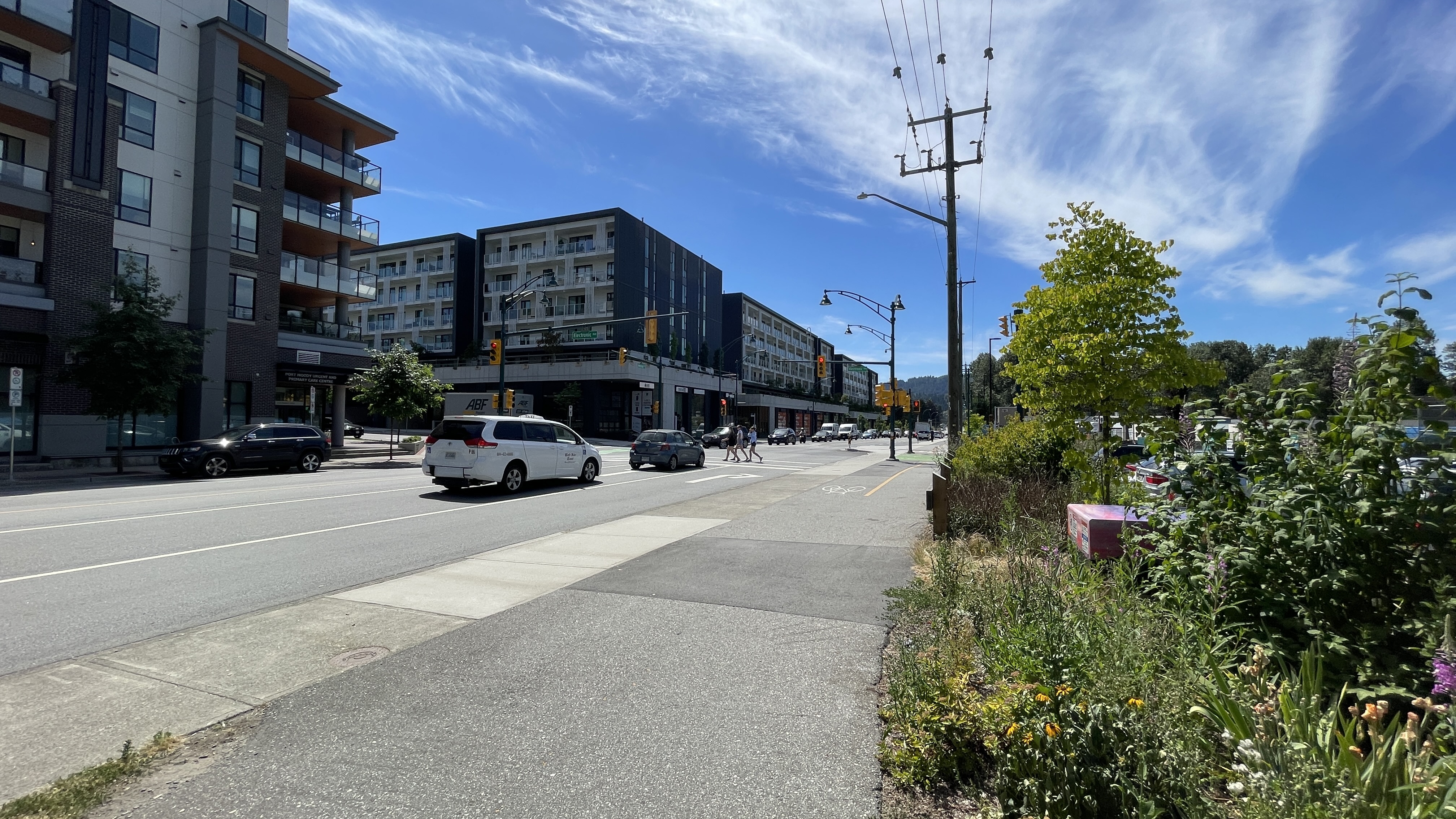
Are you curious about how municipal government works? Whether you are new to Port Moody or have lived or owned a business here for a long time, it can be helpful to understand the role of municipal government, how decisions are made, and how to connect with us if you have questions, concerns, or feedback.
Your municipal government is dedicated to delivering essential city services, community programs, and long-term planning to support a safe, livable, vibrant, and sustainable community. We provide residents, visitors, and business owners with services related to public safety, roads, water and sanitary sewer utilities, solid waste pickup, parks and trails, recreation, development and land use planning, and environmental stewardship, while fostering economic growth and community well-being.
The role of municipal government
Municipal government shapes the services you rely on, the spaces you use, and how your community evolves. City Council’s are elected every four years and consist of a mayor and six councillors. City Council can debate issues, set policy, pass bylaws, approve budgets, and establish the City’s overall direction, but they must adhere to legislation set by the Province of British Columbia, primarily the Community Charter and the Local Government Act. While City Council sets direction and policy, approves budgets, passes bylaws, and represents the community, city staff – led by the city manager – run day-to-day services.
Municipalities are responsible for:
- drinking water (in coordination with the regional district of Metro Vancouver)
- stormwater and sewer wastewater
- road safety and maintenance, and active transportation networks (cycling, walking)
- garbage, recycling, and green waste
- parks and trails
- local environmental protection, planning, and enhancement
- libraries
- arts and cultural services (events, theatre, public art)
- recreational and sport programs and facilities
- fire rescue, police services, emergency planning
- bylaw enforcement
- property taxes and utility fees
- land use and community planning
- permitting, inspections, and licensing
- local economic strategies and policies
Other levels of government – like the province of British Columbia or the government of Canada – are responsible for services like hospitals and health care, schools, highways, electricity, and postal services.
You can learn more about the role of Canadian municipalities – including key principles and what municipalities do – from the Canadian Association of Municipal Administrators (CAMA). For further information, read CAMA's guide titled "Understanding Your Municipality - Quick Facts for Residents."
Municipal decision-making overview
CAMA explains that municipal decisions follow a consistent, transparent process. This structure ensures accountability, fairness, and well-informed choices. They describe the typical process as follows:
- An issue or opportunity arises – from residents, staff, Councillors, or new legislation
- Staff research and prepare a report for Council – including background, options, recommendations, financial implications, and legal considerations
- Council discusses the issue – in a public meeting
- Council votes – decisions are made by majority
- Staff implement the decision – through programming, infrastructure, or operational changes
- Updates are communicated – through website, newsletters, meetings, or media
CAMA's Resident's Guide to Services, Roles & Good Governance (PDF) includes more detail about this process.
Who to contact
If you have general concerns or feedback, you can connect with staff in one of the following ways:
- submit a Report a Problem form online (this option will direct your concern to the appropriate department and ensure a timely follow-up)
- call or email the appropriate department
- use the list below to find contacts to address the topic of your feedback or concern
Municipal planning and vision for the future
The City of Port Moody has a variety of master plans and strategy documents that help guide major initiatives, including our Official Community Plan (OCP). The OCP communicates our goals and long-term vision for the future and guides our decision making about how land is used for housing, transportation, parks, environmental protection, economic development, and more. It is the City’s principal policy document and informs higher level strategies like Council’s Strategic Plan. The OCP also sets direction for more specific departmental plans and strategies, such as:
- Climate Action Plan
- Arts and Culture Master Plan
- Child Care Action Plan
- Climate Ready Homes and Buildings Plan
- Extreme Weather Resilience Plan
- Economic Development Master Plan
- Five-Year Financial Plan
- Housing Needs Report and Housing Action Plan
- Industrial Land Strategy
- Parkland Strategy
- TransPort Moody
- Urban Forestry Management Strategy
- Waste Management Plans
To learn about these plans and strategies and others visit the Plans, Reports, and Publications page.